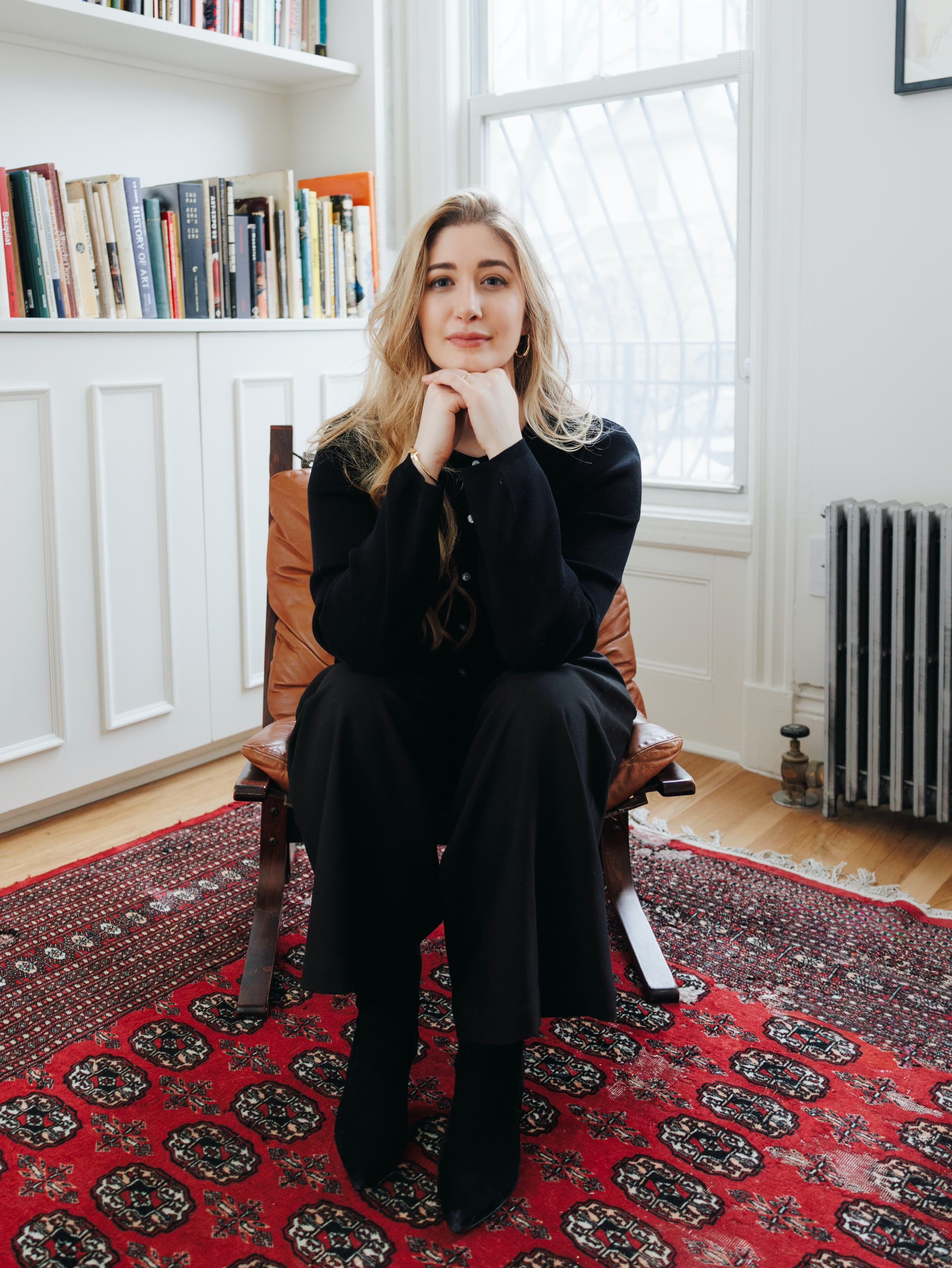
About Laura Rothkopf, LCSW
I came to this work through a longstanding interest in how people make sense of themselves and their relationships — the same curiosity that led me to study philosophy before spending nearly a decade in media and corporate environments. Therapy felt, and continues to feel, like the place where the questions I'd always found most interesting could actually do something meaningful.
Many of the people I work with are thoughtful and reflective, yet still find themselves caught in familiar worries, self-criticism, or relationship patterns they don't fully understand. I find that gap — between knowing and changing — genuinely fascinating. It's where a lot of the interesting work happens, and where I feel most engaged as a clinician.
A thoughtful, collaborative process
I see therapy as a serious collaboration, Rather than offering interpretations from a distance, I try to understand your experience from the inside: how situations affect you emotionally, how you make sense of them, how you respond, and how those responses took shape over time. I'll push you when I think you need it, and I'll also find the absurdity in hard moments when that's what the moment calls for.
Sessions are conversational and unhurried. Some meetings focus on a present difficulty, relationship, or decision you're facing; others turn toward earlier experiences and the ways they continue to shape your expectations, reactions, and sense of self now. Over time we develop our own rhythm, our own shorthand, our own way of getting at things.
We also pay attention to what happens in the room between us. Patterns that emerge in relationships outside therapy often appear here in subtle ways — and noticing them together can open up a deeper understanding of how you relate to others, and to yourself.
Who I often work with
I often work with individuals and couples who are navigating:
anxiety that shows up as overthinking, worry, or difficulty settling internally
relationship patterns that repeat even when they make sense intellectually
couples caught in recurring conflict, distance, or disconnection — who want to understand what's underneath and look for a way back to each other
burnout, pressure, or the strain of functioning well outwardly while feeling privately overwhelmed
an emotional weight, inner conflict, or overwhelm that's impacting the parts of their life that matter most
self-criticism, dissatisfaction, or difficulty feeling fully at ease with themselves
life transitions, questions of identity or direction, or a growing sense that familiar ways of coping are no longer sustainable
grief, loss, or earlier experiences that continue to shape life in the present
Many people come to therapy wanting not only relief, but a genuine understanding of themselves and more freedom in how they live. That's what we work toward together.
How I work
The foundation of my work is psychodynamic and relational. We pay attention to patterns — the expectations, feelings, and ways of relating that repeat across situations and relationships. Often these patterns developed for understandable reasons and once served an important purpose, but over time they may begin to feel limiting, painful, or out of step with who you are now.
Part of the work is noticing these patterns as they unfold, including in subtle ways within the therapeutic relationship itself. What happens between us can offer a meaningful window into what happens elsewhere in your life, making it possible not only to talk about patterns, but to encounter and understand them more directly.
Therapy is not only reflection. At times we may speak concretely about a difficult week, a relationship conflict, or an important decision. At other times, we may slow down enough to notice an internal shift as it happens — tension, retreat, uncertainty, longing, anger, grief, or self-criticism. Over time, this can help you recognize your inner experience earlier and respond with more freedom and choice.
Although my foundation is psychodynamic, I draw from other therapeutic approaches when helpful. This may include practical ways of managing anxiety, grounding during overwhelming moments, or thinking together in a more focused way about how to approach something that feels especially difficult. The aim is not to apply a single technique, but to shape a treatment that is responsive to you.
For couples, I use Gottman Method Couples Therapy as the foundation of the work — drawing on its research-based framework to address communication patterns, conflict, and emotional disconnection — while integrating a psychodynamic and relational sensibility that attends to the deeper histories each partner brings.
Emotional life, the body, and meaning
Emotional experience is not only something we think about; it is often felt in the body as tension, restlessness, fatigue, numbness, or difficulty relaxing. Paying attention to these responses can offer an early understanding of what you may be feeling before it is fully clear in words.
When helpful, we can incorporate awareness of these physical cues into the work. This can support a greater sense of grounding and make intense states feel less overwhelming when they arise.
For many people, therapy also touches larger questions — about loss, freedom, responsibility, isolation, connection, and meaning. These concerns often emerge indirectly, through conflict, grief, dissatisfaction, or a sense that something important in life feels unsettled. I find it meaningful to make room for these questions in therapy, as attending to them can deepen the work in important ways.
Training & background
Before becoming a therapist, I spent nearly a decade working in media and corporate environments. That experience continues to inform my understanding of the pressures many people carry — professional demands, questions about direction or identity, and the often considerable gap between how life appears externally and how it feels internally.
My clinical training is grounded in psychodynamic psychotherapy and a relational approach to treatment. I completed a two-year postgraduate training program in psychodynamic psychotherapy at the Institute for Contemporary Psychotherapy and an advanced clinical practice program through New York University. I have completed Level 2 training in Gottman Method Couples Therapy via The Gottman Institute.
I received my MSW from New York University, hold a BA in Philosophy from Barnard College, and was a visiting scholar in philosophy at the University of Oxford. My training in philosophy continues to inform my interest in how people understand themselves, their relationships, and the meaning they make of their experiences — and my ongoing curiosity about what constitutes a meaningful life.
I remain engaged in ongoing consultation and professional development as part of maintaining thoughtful and responsible clinical care.
Beginning therapy is a meaningful step. You do not need to know exactly what you want to say yet.
If you are considering working together, we can start with a brief consultation to talk about what brings you in, any questions you may have, and whether it feels like a good fit.
You’re welcome to share as much or as little as you’d like in your message. I typically respond within two business days.